Prairie Orthopaedic & Plastic Surgery, PC names Kevin Hejtmanek as new CEO
Prairie Orthopaedic & Plastic Surgery, PC is pleased to announce that Kevin Hejtmanek has been named Chief Executive Officer, effective January 1, 2026.

Serving Lincoln, Omaha and Surrounding Communities
Prairie Orthopaedic & Plastic Surgery, PC is pleased to announce that Kevin Hejtmanek has been named Chief Executive Officer, effective January 1, 2026.

We have a new location! Our new Prairie Orthopaedic & Plastic Surgery Omaha location: 17201 Wright Street, Suite 102 (Lower level, South entrance of Midwest Cancer Center - Legacy) Omaha, NE 68130.

In the Midwest, cosmetic surgery patients often prioritize natural, confidence-boosting results that complement their busy, active lifestyles. While motivations vary, the most commonly requested procedures tend to address areas of the body impacted by aging, pregnancy, or weight changes.
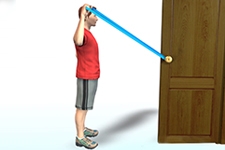
A Physical Therapist (PT) will help to restore mobility, range of motion, decrease pain and improve strength.
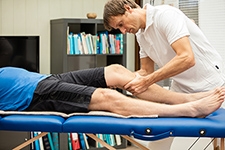
Your first visit with the Physical Therapist (PT) will be approximately two to three days after surgery. You will need a driver to bring you to and from the appointment. This first visit will last approximately one hour.

In this episode, Amberly Byington leads a discussion highlighting the benefits of physical therapy before surgery.
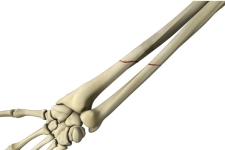
A forearm fracture occurs when there is a fracture of one or both of the bones of the forearm. The two bones of the forearm are the radius and the ulna.

There's no need to wait for an appointment when you have an orthopaedic injury. Our Ortho Express Care center is here to help. We offer convenient, walk-in care for all types of orthopaedic injuries, so you can get the treatment you need right away.
May is recognized as National Arthritis Awareness Month, and it's important to be aware of the different types of arthritis and how they are treated. Arthritis is a general term for conditions that affect the joints, including osteoarthritis, rheumatoid arthritis, and psoriatic arthritis.
After having shoulder surgery, it’s going to take time to get your shoulder back to its normal, pain-free ability. Shoulder surgery can be a fairly invasive procedure, so it’s important to prepare yourself for what to expect and how to recover.